
Wildlife Safari Tours in Africa offer an unforgettable adventure through the continent’s diverse landscapes and magnificent wildlife. From thrilling encounters to breathtaking landscapes, these tours provide a unique opportunity to immerse yourself in nature’s wonders.
Discover the top destinations, wildlife encounters, accommodation options, and cultural experiences that await you on this exhilarating journey.
Overview of Wildlife Safari Tours in Africa
Wildlife safari tours in Africa offer a unique opportunity to experience the diverse and majestic wildlife that inhabits the continent. These tours typically involve guided excursions through national parks, game reserves, and other natural habitats to observe animals in their natural environment.
Popularity and Appeal
Wildlife safari tours in Africa have gained immense popularity among travelers seeking adventure, wildlife enthusiasts, and nature lovers. The thrill of seeing iconic African animals such as lions, elephants, giraffes, and rhinos up close in their natural habitat is a major draw for tourists from around the world.
Significance of Africa as a Prime Destination
Africa is renowned for its rich biodiversity and abundance of wildlife species, making it a prime destination for wildlife enthusiasts. The continent is home to the famous Big Five – lions, elephants, buffalos, leopards, and rhinos – as well as a wide variety of other animals, birds, and plant species. The conservation efforts and well-established national parks and reserves in Africa make it an ideal destination for wildlife safari tours.
Top Wildlife Safari Destinations in Africa
When it comes to wildlife safari tours in Africa, there are several destinations that stand out for their unique features and diverse landscapes. Here are some of the most popular wildlife safari destinations in Africa:
1. Maasai Mara National Reserve, Kenya
The Maasai Mara National Reserve in Kenya is famous for its vast savannah plains and abundance of wildlife, including the Big Five – lions, elephants, buffalos, leopards, and rhinos. Visitors can witness the Great Migration of wildebeest and zebra, where millions of animals cross the Mara River.
2. Serengeti National Park, Tanzania
Serengeti National Park is known for its endless plains, dotted with acacia trees and home to a variety of wildlife. Visitors can experience thrilling game drives and witness predators like lions, cheetahs, and hyenas in action. The park is also a prime spot for hot air balloon safaris.
3. Kruger National Park, South Africa
Kruger National Park is one of the largest game reserves in Africa, offering a diverse range of habitats for wildlife. Visitors can spot the Big Five, as well as rare species like wild dogs and sable antelope. The park is also known for its conservation efforts and luxurious lodges.
4. Okavango Delta, Botswana
The Okavango Delta is a unique safari destination, characterized by its intricate network of waterways, islands, and floodplains. Visitors can explore the delta by mokoro (traditional canoe) or take guided bush walks to encounter elephants, hippos, and a variety of bird species.
5. South Luangwa National Park, Zambia, Wildlife Safari Tours in Africa
South Luangwa National Park is a hidden gem in Zambia, offering some of the best walking safaris in Africa. Visitors can get up close to wildlife on foot and witness the park’s diverse ecosystem, including leopards, giraffes, and zebras. The park is also known for its night drives, providing a unique safari experience.
Types of Wildlife Encounters on Safari Tours
When embarking on wildlife safari tours in Africa, travelers can expect a variety of wildlife encounters that offer a unique and unforgettable experience. It is essential to understand the different types of encounters and the importance of responsible wildlife viewing practices to ensure the well-being of the animals and their natural habitats.
Game Drives
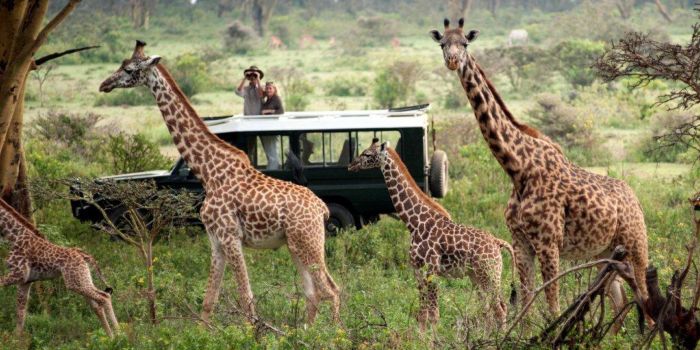
Game drives are a popular way to explore the African wilderness and observe wildlife in their natural habitat. Visitors can spot a wide range of animals, including lions, elephants, zebras, and giraffes, as they roam freely in national parks and reserves. Experienced guides lead these excursions, providing valuable insights into the behavior and ecology of the animals.
Walking Safaris
For a more immersive experience, travelers can opt for walking safaris guided by knowledgeable rangers. Walking through the bush allows for a closer encounter with the wildlife, from tracking animal footprints to observing bird species up close. It is a thrilling way to connect with nature and appreciate the smaller details of the ecosystem.
Boat Safaris
In regions with waterways, boat safaris offer a unique perspective on wildlife viewing. Travelers can glide along rivers and lakes, spotting hippos, crocodiles, and a variety of bird species along the banks. Boat safaris provide a tranquil setting to observe aquatic wildlife and enjoy the scenic beauty of the surrounding landscapes.
Birdwatching
Africa is a paradise for birdwatchers, with a diverse array of avian species found across the continent. Safari tours often include dedicated birdwatching excursions led by expert guides who can identify and interpret the behavior of different bird species. From colorful kingfishers to majestic eagles, birdwatching adds an extra dimension to the safari experience.
Importance of Responsible Wildlife Viewing
Responsible wildlife viewing practices are crucial to safeguarding the well-being of animals and preserving their natural habitats. It is essential for travelers to follow guidelines set by national parks and conservation organizations to minimize disturbance to wildlife. This includes maintaining a safe distance, avoiding loud noises, and refraining from feeding or approaching the animals.
Conservation Efforts
Safari tours play a vital role in supporting conservation efforts across Africa. By contributing to eco-friendly lodges, wildlife reserves, and community-based initiatives, travelers help fund projects that protect endangered species, combat poaching, and promote sustainable tourism practices. Conservation-minded safari operators prioritize ethical wildlife encounters and environmental conservation to ensure the long-term survival of Africa’s iconic wildlife.
Safari Accommodation Options
When embarking on a wildlife safari tour in Africa, choosing the right accommodation is crucial for a comfortable and memorable experience. There are various types of accommodations available, each offering unique experiences and amenities.
Luxury Lodges
Luxury lodges provide a high-end safari experience with spacious rooms, gourmet dining, and top-notch service. These lodges are often situated in prime wildlife viewing areas, offering stunning views and exclusive access to game drives and guided tours.
Tented Camps
Tented camps offer a more immersive safari experience, allowing guests to feel closer to nature. These camps provide comfortable tents with ensuite bathrooms and are often located in remote wilderness areas, providing a sense of adventure and authenticity.
Other Unique Lodging Options
Other unique lodging options include treehouses, mobile camps, and eco-friendly lodges. Treehouses offer a unique perspective of the surrounding landscape, while mobile camps allow for flexibility in exploring different regions. Eco-friendly lodges focus on sustainability and conservation, providing a responsible and eco-conscious safari experience.
Safari Activities and Excursions
When embarking on a wildlife safari tour in Africa, there are a variety of exciting activities and excursions to partake in. These experiences offer a deeper connection with the natural environment and the chance to witness wildlife up close in their natural habitat.
Game Drives
Game drives are a quintessential part of any safari experience. Visitors are taken on guided tours in 4×4 vehicles through the savannah or grasslands, allowing them to spot a wide range of wildlife such as lions, elephants, giraffes, and more. The expert guides know the best spots to find animals and provide valuable insights into their behavior.
Walking Safaris
For a more intimate and immersive safari experience, walking safaris are a popular choice. Accompanied by armed guides, visitors can explore the wilderness on foot, observing smaller creatures, tracking animal footprints, and learning about the flora and fauna up close. Walking safaris offer a different perspective and a chance to appreciate the finer details of the ecosystem.
Hot Air Balloon Rides
Hot air balloon rides provide a unique way to view the vast landscapes and wildlife from above. Floating silently over the savannah at sunrise or sunset, visitors can enjoy breathtaking panoramic views and witness animals from a different angle. It’s a peaceful and surreal experience that adds a touch of luxury to the safari adventure.
Importance of Guided Tours and Expert Wildlife Trackers
Guided tours are essential for ensuring the safety of visitors and maximizing wildlife sightings. Experienced guides are knowledgeable about the terrain, animal behavior, and conservation efforts, enhancing the overall safari experience. Expert wildlife trackers have a keen eye for spotting animals and interpreting signs in the environment, increasing the chances of memorable wildlife encounters.
Wildlife Photography Tips on Safari Tours
Capturing stunning wildlife photographs on safari tours can be an exhilarating experience. Here are some tips and tricks to help you make the most of your wildlife photography:
Best Equipment and Camera Settings
When going on a wildlife safari tour, it is essential to have the right equipment. Invest in a good quality camera with a telephoto lens to capture wildlife from a distance. Ensure your camera settings are optimized for wildlife photography by using a fast shutter speed to freeze motion, a wide aperture for a blurred background, and the appropriate ISO setting for the lighting conditions.
Composition, Lighting, and Timing
Composition is key in wildlife photography. Try to frame your subject off-center using the rule of thirds for a more visually appealing shot. Pay attention to the lighting conditions and aim to shoot during the golden hours of sunrise and sunset for soft, warm light. Timing is crucial when photographing wildlife, so be patient and wait for the right moment to capture the perfect shot.
Cultural Experiences on Wildlife Safari Tours
When embarking on a wildlife safari tour in Africa, it’s not just about the incredible animals and landscapes; there is also a rich tapestry of cultures waiting to be explored. Interacting with local communities can add a whole new dimension to your safari experience, providing insights into traditions, lifestyles, and beliefs that have been passed down through generations.
Local Community Visits
One of the highlights of a wildlife safari tour is the opportunity to visit local communities and engage with the people who call these regions home. By immersing yourself in their daily lives, you can gain a deeper understanding of their customs, traditions, and challenges they face.
- Participating in traditional dances or ceremonies
- Learning about local crafts and artisanal skills
- Sharing a meal with a local family
- Exploring markets and interacting with vendors
Cultural Significance
Immersing yourself in the local culture can greatly enhance your safari experience by fostering connections with the people and places you encounter. It allows for a more meaningful and authentic experience, creating lasting memories and a greater appreciation for the diversity of Africa’s cultures.
Memorable Encounters
“During my safari tour, I had the chance to visit a Maasai village and learn about their nomadic lifestyle. The hospitality and warmth of the community left a lasting impression on me, and I will always treasure the memories of that cultural exchange.”
“While exploring a local market in Botswana, I had the opportunity to chat with traders and artists, gaining insights into their crafts and traditions. It was a fascinating glimpse into their way of life and added a unique perspective to my safari experience.”
Packing Essentials for Wildlife Safari Tours
When embarking on a wildlife safari tour in Africa, it is crucial to pack efficiently and thoughtfully to ensure a comfortable and enjoyable experience. Here is a comprehensive packing list to help you prepare for your adventure:
Clothing
- Lightweight, breathable long-sleeved shirts and pants to protect against the sun and insects
- A lightweight waterproof jacket or poncho for unexpected rain showers
- Comfortable closed-toe shoes or hiking boots for walking safaris
- A wide-brimmed hat and sunglasses for sun protection
- Swimwear if your safari includes water-based activities
- Warm clothing for early morning and evening game drives when temperatures drop
Camera Gear
- A DSLR camera or a high-quality point-and-shoot camera for capturing wildlife and landscapes
- Extra memory cards and batteries to ensure you never miss a shot
- A sturdy camera bag to protect your gear from dust and bumps during game drives
- A telephoto lens for capturing wildlife from a distance
Other Necessary Supplies
- Sunscreen with a high SPF to protect your skin from the strong African sun
- Insect repellent to ward off mosquitoes and other insects
- A small first aid kit with essentials like bandaids, pain relievers, and anti-diarrheal medication
- A reusable water bottle to stay hydrated during your safari
- A headlamp or flashlight for navigating campgrounds at night
- Binoculars for spotting wildlife from a distance
Remember to pack lightly and efficiently, as you may be limited on luggage space during internal flights or while traveling in safari vehicles. Prioritize versatile clothing items that can be layered for changing weather conditions, and opt for quick-drying fabrics that are easy to wash and dry overnight. By packing smartly, you’ll be well-prepared to enjoy the wonders of an African wildlife safari.
Sustainable Travel Practices on Wildlife Safari Tours
When embarking on wildlife safari tours in Africa, it is crucial to prioritize sustainable and responsible travel practices to protect the environment and wildlife habitats. By adopting eco-friendly initiatives and supporting conservation efforts, travelers can help preserve the natural beauty and biodiversity of these regions for future generations.
Importance of Sustainable and Responsible Travel Practices
Implementing sustainable travel practices on wildlife safari tours is vital for minimizing the impact of tourism on the environment. By reducing carbon emissions, conserving water, and supporting local communities, travelers can contribute to the long-term preservation of Africa’s diverse ecosystems.
Eco-Friendly Initiatives and Conservation Efforts
- Supporting wildlife conservation organizations through donations or volunteer work.
- Choosing eco-friendly accommodations that prioritize sustainability and environmental protection.
- Participating in guided tours led by knowledgeable professionals committed to wildlife conservation.
- Respecting wildlife habitats and adhering to designated viewing guidelines to minimize disturbance.
Tips for Travelers to Minimize Environmental Impact
- Reduce plastic waste by bringing reusable water bottles and avoiding single-use plastics.
- Conserve water and energy by reusing towels, turning off lights when not in use, and taking shorter showers.
- Support local communities by purchasing souvenirs from local artisans and eating at locally-owned restaurants.
- Offset carbon emissions from travel by participating in carbon offset programs or choosing eco-friendly transportation options.
Safety Tips for Wildlife Safari Tours
When embarking on a wildlife safari tour in Africa, it is crucial to prioritize safety to ensure a memorable and secure experience. By being aware of potential risks and taking necessary precautions, travelers can fully enjoy the wonders of the African wilderness without compromising their well-being.
Wildlife Encounters
- Always maintain a safe distance from wild animals and never attempt to touch or feed them.
- Follow the guidance of experienced guides and rangers when observing wildlife to avoid any dangerous situations.
- Stay inside vehicles during game drives and avoid standing up or making sudden movements that could startle animals.
Emergency Protocols
- Carry a fully charged cell phone and emergency contacts list in case of any unforeseen circumstances.
- Familiarize yourself with the emergency procedures of the safari camp or lodge and know the location of the nearest medical facilities.
- Inform your guide or camp staff about any medical conditions or allergies that may require immediate attention.
Health Considerations
- Stay hydrated by drinking plenty of water and avoid consuming untreated water or raw foods to prevent illnesses.
- Apply insect repellent and wear appropriate clothing to protect against mosquito bites and potential diseases like malaria.
- Pack necessary medications, including anti-malarial drugs, first aid supplies, and any prescription medications you may need during the safari.
Embark on a journey filled with wonder and excitement as you explore the untamed beauty of Africa through Wildlife Safari Tours. From thrilling wildlife encounters to cultural immersion, these tours promise an unforgettable experience that will leave you in awe.
FAQ Explained
What types of wildlife encounters can I expect on safari tours in Africa?
You can expect to see a wide variety of wildlife, including the Big Five (lion, leopard, elephant, buffalo, rhino), as well as giraffes, zebras, cheetahs, and more.
What are the accommodation options like on wildlife safari tours?
Accommodation options range from luxury lodges to tented camps, offering unique experiences in the heart of the wilderness.
Are there photography opportunities on safari tours?
Absolutely! Wildlife photography tips and opportunities are abundant, allowing you to capture stunning moments in the wild.
How can I ensure a safe experience on wildlife safari tours?
Follow safety guidelines, listen to your guides, and respect the wildlife to ensure a safe and enjoyable safari experience.


